



Lifting Slings and Lifting Rigging
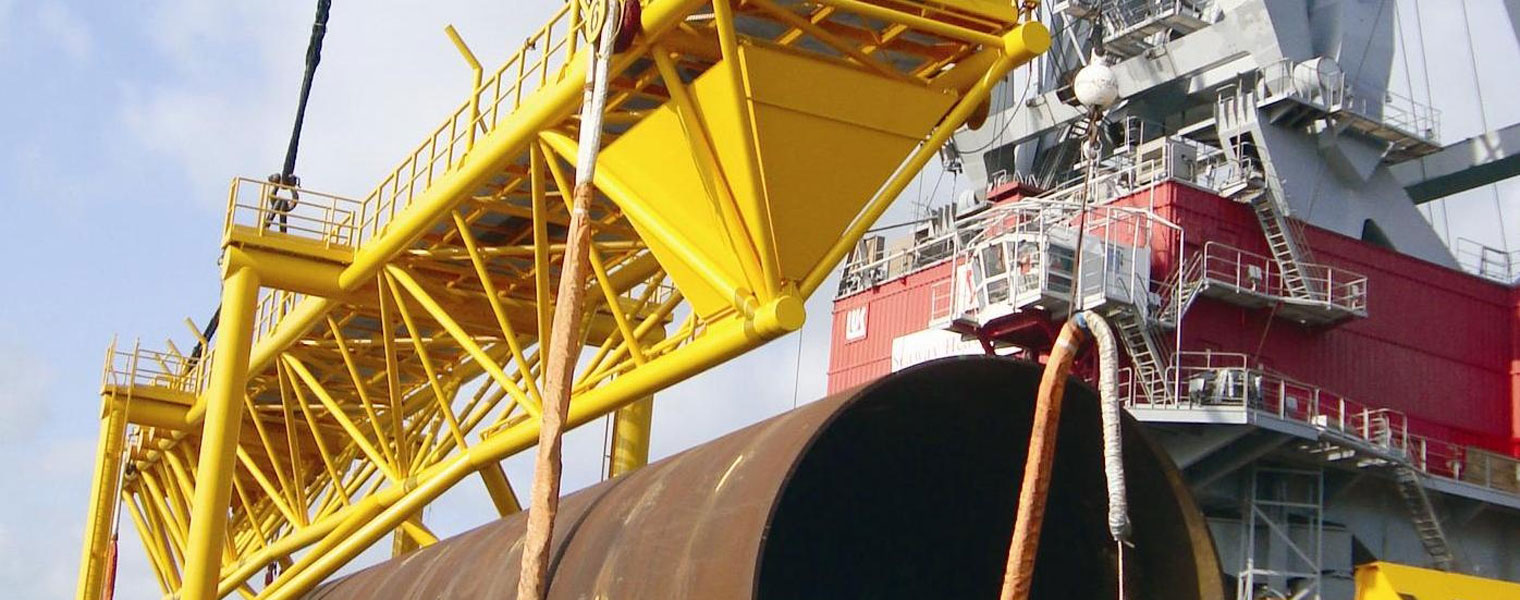
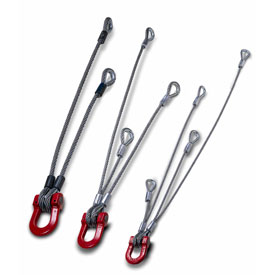
MHS, Material Handling Solutions is your wholesale supplier of lift slings and lifting straps equipment. Our lift sling products are used in manufacturing, construction, shipbuilding, railroads, salvage, and utilities applications. We offer the most complete line of lift slings that includes nylon webbing slings, chain lifting slings and wire slings that can be customized with your length, legs, capacity and more.
Our primary mission is to provide you with the highest quality sling rigging combined with outstanding service and a lifting sling and rigging for any application. MHS specializes in all areas of below the hook rigging and lifting devices.
We stock a wide range of slings in a variety of sizes and styles or we can fabricate a sling for lifting to meet your specific requirements. So, if it has to be lifted, moved, or secured, call us and let our sales staff help you select the equipment you need to get the job done.
Our Clients Include









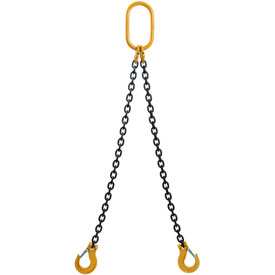
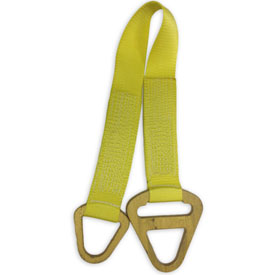
Lift Sling & Rigging Types

Lift Slings and Rigging Equipment Inspection Checklist
Lifting Sling Inspections – Each day before being used, the sling and all fastenings and attachments shall be inspected for damage or defects by a competent person designated by the employer. Additional inspections shall be performed during sling use where service conditions warrant. Damaged or defective slings shall be immediately removed from service.
Safe operating practices (OSHA 1910.184) – Whenever any lifting sling is used the following practices shall be observed.
- Slings that are damaged or defective shall not be used.
- Slings shall not be shortened with knots or bolts or other makeshift devices.
- Sling legs shall not be kinked.
- Slings shall not be loaded in excess of their rated capacities.
- Slings used in a basket hitch shall have the loads balanced to prevent slippage.
- Slings shall be securely attached to their loads.
- Suspended loads shall be kept clear of all obstructions.
- All employees shall be kept clear of loads about to be lifted and of suspended loads.
- Hands or fingers shall not be placed between the sling and its load while the sling is being tightened around the load.
- Shock loading is prohibited.
- A sling shall not be pulled from under a load when the load is resting on the sling.
- Slings shall be padded or protected from the sharp edges of their loads.
Web Sling & Nylon Sling inspection checklist (ASME B30.9) – A synthetic web sling shall be removed from service if conditions such as the following are present:
- Missing or illegible sling identification.
- Acid or caustic burns.
- Melting or charring of any part of the sling.
- Holes, tears, cuts, or snags visible on the lifting sling.
- Broken or worn stitching in load bearing splices.
- Excessive abrasive wear.
- Knots in any part of the nylon sling.
- Discoloration and brittle or stiff areas on any part of the sling, which may mean chemical or ultraviolet/sunlight damage.
- Fitting that are pitted, corroded, cracked, bent, twisted, gouged, or broken.
- For hooks, removal criteria as stated in ASME B30.10
- Other conditions, including visible damage, that cause doubt as to the continued use of the sling.
Round Sling Inspection Checklist (ASME B30.9) – A synthetic round sling shall be removed from service if conditions such as the following are present:
- Missing or illegible sling identification.
- Acid or caustic burns.
- Evidence of heat damage.
- Holes, tears, cuts, abrasive wear, or snags that expose the core yarns.
- Broken or damaged core yarns.
- Round slings that are knotted.
- Discoloration and brittle or stiff areas on any part of the slings, which may mean chemical or ultraviolet/sunlight damage.
- Fitting that are pitted, corroded, cracked, bent twisted, gouged, or broken.
- For hooks, removal criteria as stated in ASME B30.10
- Other conditions, including visible damage, that cause doubt as to the continued use of the sling.
Wire Mesh Sling Inspection Checklist (ASME B30.9) – A metal mesh sling shall be removed from service if conditions such as the following are present:
- Missing or illegible sling identification.
- Broken weld or a broken brazed joint along the sling edge.
- Broken wire in any part of the mesh.
- Reduction in wire diameter of 25% due to abrasion or 15% due to corrosion.
- Lack of flexibility due to distortion of the mesh.
- Distortion of the choker fitting so the depth of the slot is increased by more that 10%.
- Distortion of either end fitting so the width of the eye opening is decreased by more than 10%.
- A 15% reduction of the original cross-sectional area of any point around the hook opening of the end fitting.
- Visible distortion of either end fitting out of its plane.
- Cracked end fitting.
- Slings in which the spirals are locked or without free articulation shall not be used.
- Fitting that are pitted, corroded, cracked, bent, twisted, gouged, or broken.
- Other conditions, including visible damage, that cause doubt as to the continued use of the sling.
MHS LLC Office
Shipping Address:
106 Old Dominion Rd.
Duncan, SC 29334
PH: 1-864-848-2147
FAX: 1-864-848-3419
Mailing Address:
PO Box 5023
Greenville, SC 29606
Please don’t hesitate to call or email, we appreciate any opportunities to earn your business.